

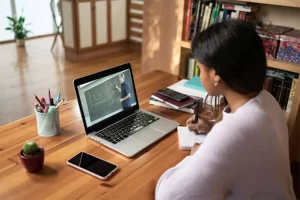
In the past few years, education has taken a shift toward remote learning, and special education is no exception. Remote special education services presents its own unique challenges and opportunities, and it’s essential to approach it with creativity and a deep understanding of individual student needs.
At e3 Consulting, we understand the complexities of remote special education. We partner with educators, parents, and schools to provide tailored solutions that support the holistic development of students with special needs. As experts in this field, we recognize the importance of keeping students engaged and motivated while providing the specialized instruction they require.
Here are some of the intricacies of remote special education, including insights, strategies, and activities to create a successful and enriching learning experience for students with special needs. We’ll delve into the role of technology, individualized instruction, virtual classroom management, and much more. Let’s unlock the potential of remote special education together.
What is Remote Special Education?
Remote special education, often called distance learning for special needs students, involves delivering specialized instruction and support services to students with disabilities through virtual platforms and online tools. This approach has gained significant use in recent years, especially in response to the challenges posed by the COVID-19 pandemic.
According to the National Center of Education Statistics, in 2022–23, the number of students ages 3–21 who received special education and related services under the Individuals with Disabilities Education Act (IDEA) was 7.5 million, or the equivalent of %15 of all public school students.
The primary goal of remote special education is to provide students with the same level of individualized attention and support they would receive in a traditional classroom setting. However, it offers flexibility, allowing students to learn from home or any remote location.
What Does a Remote Teacher Do?
Remote special education teachers play a key role in providing students with disabilities with the education and support they need to succeed. Their responsibilities include developing and delivering individualized lesson plans, adapting coursework to meet the specific needs of each student, and providing continuous assessment and feedback.
These teachers must also be proficient at utilizing various online tools and services to create engaging and interactive learning experiences. They often collaborate with parents, therapists, and other professionals to build a comprehensive support system for their students.
9 Engaging Activities for Remote Special Education
Remote special education can be incredibly engaging with the right activities and a touch of creativity. Here are some interactive and effective strategies to capture your students’ attention and foster a love for learning:
Virtual Field Trips
Take your students on exciting adventures without leaving the comfort of their homes. Explore museums, zoos, historical landmarks, and even outer space through virtual tours and interactive exhibits. Many institutions offer free virtual field trips specifically designed for educational purposes.
Interactive Games and Quizzes
Gamify your lessons by incorporating educational games and quizzes. Online platforms like Kahoot!, Quizizz, and Blooket offer a wide variety of interactive games that can be customized to fit your curriculum. These games can make learning fun and competitive, motivating students to actively participate and retain information.
Hands-On Projects
Don’t let distance learning limit hands-on experiences. Encourage students to create projects using materials they have at home. Examples include building models, conducting science experiments, creating artwork, or even writing and performing skits. Hands-on projects promote creativity, problem-solving skills, and a deeper understanding of concepts.
Virtual Show-and-Tell
Host virtual show-and-tell sessions where students can share their favorite objects, hobbies, or talents with their classmates, developing a sense of community and connection among students, even in a remote setting.
Movement Breaks and Brain Breaks
Incorporate movement breaks and brain breaks into your virtual lessons. These short activities can help students refocus, recharge, and stay engaged throughout the day.
Guest Speakers
Invite guest speakers to share their knowledge with your students via video conferencing. This could be a local scientist, artist, author, or even a former student who has overcome challenges similar to those faced by your current students. Guest speakers can provide valuable insights and inspiration, broadening students’ horizons and exposing them to new ideas.
Collaborative Projects
Foster teamwork and collaboration by assigning group projects that students can work on together online. Collaborative examples like creating a presentation, writing a story, or designing a website teach students valuable social skills and encourage them to learn from each other.
Virtual Book Clubs
Start a virtual book club to encourage a love for reading. Students can read the same book together and then discuss it during online meetings. This can spark meaningful conversations, enhance critical thinking skills, and foster a sense of shared interest.
Mindfulness and Relaxation Exercises
Incorporate mindfulness and relaxation exercises into your students' daily routines. These practices can help students improve focus, manage stress, and redirect extra energy into a constructive outlet. Many free resources are available online that offer guided meditations, breathing exercises, and yoga poses specifically designed for children.

How Can Teachers Help Students With Disabilities Navigate Distance Learning?
Supporting students with disabilities in a remote setting involves addressing their unique learning needs and adapting instruction to fit the virtual environment. While engaging activities are essential, there are several other key areas where educators can make a significant impact:
Provide Individualized Instruction
Tailor lesson plans and activities to each student’s unique learning style and needs. This may involve using different teaching methods, modifying assignments, or providing additional resources and support. By catering to individual strengths and weaknesses, teachers give each student the same opportunity to succeed.
Utilize Assistive Technology
Implementation of assistive technology tools, such as screen readers for students with visual impairments, speech-to-text software for those with writing difficulties, or augmentative and alternative communication (AAC) devices for students with communication challenges, can enhance communication, learning, and engagement.
Offer Regular Check-Ins
Maintain frequent communication with students and parents to address any challenges or concerns they are experiencing. Regular check-ins help build strong relationships and provide a forum for discussing progress, addressing difficulties, and making any necessary adjustments to the learning plan.
Online IEP Development and Implementation for Remote Special Education
Individualized Education Programs (IEPs) are crucial for students with disabilities. Adapting IEPs for remote learning ensures each student’s specific needs are met in the online classroom, which may involve adjusting goals, providing additional support, or modifying instructional methods to fit the virtual format.
Virtual Classroom Management for Special Needs Students
Creating a structured and supportive online learning environment is helpful. This includes establishing clear expectations, utilizing visual cues, providing regular feedback, and promoting positive student interactions.
Teletherapy for Students with Disabilities
Teletherapy, or therapy delivered via video conferencing, can be a valuable resource for students with disabilities in remote learning environments. It provides students with access to therapy services from the comfort and safety of their own homes.
- Speech Therapy: Teletherapy can be used to address speech and language delays or disorders. Speech therapists can conduct virtual sessions to assess and treat various communication difficulties, such as articulation problems, stuttering, and language processing disorders.
- Occupational Therapy: Virtual occupational therapy sessions can focus on improving fine motor skills, sensory processing, and daily living skills. Occupational therapists can guide students through activities that promote hand-eye coordination, visual perception, and self-care skills, all through a virtual platform.
- Mental Health Counseling: Teletherapy can provide students with emotional and behavioral support. Virtual counseling sessions can help students manage anxiety, depression, or other mental health concerns. Therapists can use a variety of techniques, such as cognitive-behavioral therapy (CBT) and mindfulness exercises, to help students develop coping mechanisms and improve their emotional well-being.
Assistive Technology for Remote Learning with Disabilities
Assistive technology plays a big role in supporting students with disabilities in remote learning environments. These tools can help students access information, communicate effectively, and participate fully in virtual classrooms.
- Screen Readers: Screen readers convert text to speech, making digital content accessible to students with visual impairments. This technology allows students to independently read online articles, textbooks, and other materials that would otherwise be inaccessible to them.
- Speech-to-Text Software: Speech-to-text software allows students to dictate their thoughts, which can be helpful for those with writing difficulties and can be used for writing essays, taking notes, or participating in online discussions.
- Augmentative and Alternative Communication (AAC) Devices: AAC devices can help students with communication challenges express themselves. AAC devices can empower students to communicate their needs, thoughts, and feelings, fostering independence and participation in the learning process.

What is a Parent’s Role in Remote Special Education?
Parents are essential partners in the success of remote special education. They play a crucial role in creating a supportive and structured learning environment at home. Here’s how parents can actively contribute to their child’s remote learning experience:
- Create a Supportive Learning Environment: Set up a dedicated workspace for their child, free from distractions.
- Establish a Routine: Help their child stick to a consistent daily schedule. This includes waking up, eating meals, completing schoolwork, taking breaks, and going to bed. A stable routine can provide a sense of stability and help students manage their time effectively.
- Communicate with Teachers: Maintain open communication with teachers to discuss progress and concerns. Regular communication with teachers allows parents to stay informed about their child’s academic performance, behavior, and any challenges they may be facing.
- Advocate for Their Child: Ensure their child’s needs are being met and advocate for any necessary accommodations. Parents can work with teachers and school administrators to ensure their child receives the support they need to succeed in a remote learning environment, which may involve requesting additional resources, assistive technology, or modifications to assignments.
e3 Consulting Services for Remote Special Education
We offer a wide range of services to support students with special needs in remote learning environments. These services include:
- Academic Enrichment: We provide individualized tutoring and support in various subjects, helping students master essential skills and concepts.
- Learning Disabilities and ADHD Support: We develop customized strategies to help students with learning disabilities and ADHD succeed in a remote setting.
- Executive Functioning Support: We help students develop essential skills like organization, time management, and study skills.
- Home Schooling Support: We offer comprehensive support for families who choose to homeschool their children with special needs.
- Standardized Test Preparation: We help students prepare for standardized tests like the SAT, ACT, and ISEE.
- Social Skills and Self-Advocacy: We teach students how to interact effectively with others and advocate for their needs.
- Educational Consultation: We provide guidance and support to parents and educators in navigating the special education system.
- Proficiency Assessment: We conduct comprehensive assessments to identify students’ strengths and weaknesses.
- Referrals: We connect families with trusted professionals who can provide additional support and services.
- School Placement Assistance: We help families find the right school placement for their children with special needs.
Read L C.'s review of e3 Consulting on Yelp
e3 Your Partner in Remote Special Education
At e3 Consulting, we are committed to providing the highest quality support for students with special needs. Our team of experienced educators, therapists, and consultants works collaboratively with families and schools to develop individualized plans that address each student’s unique needs.
Whether you are a parent, educator, or therapist, we invite you to explore our services and learn how we can help unlock the potential of remote special education for your students. Contact us today to schedule a free consultation and discover the difference that a personalized and comprehensive approach can make.
